About
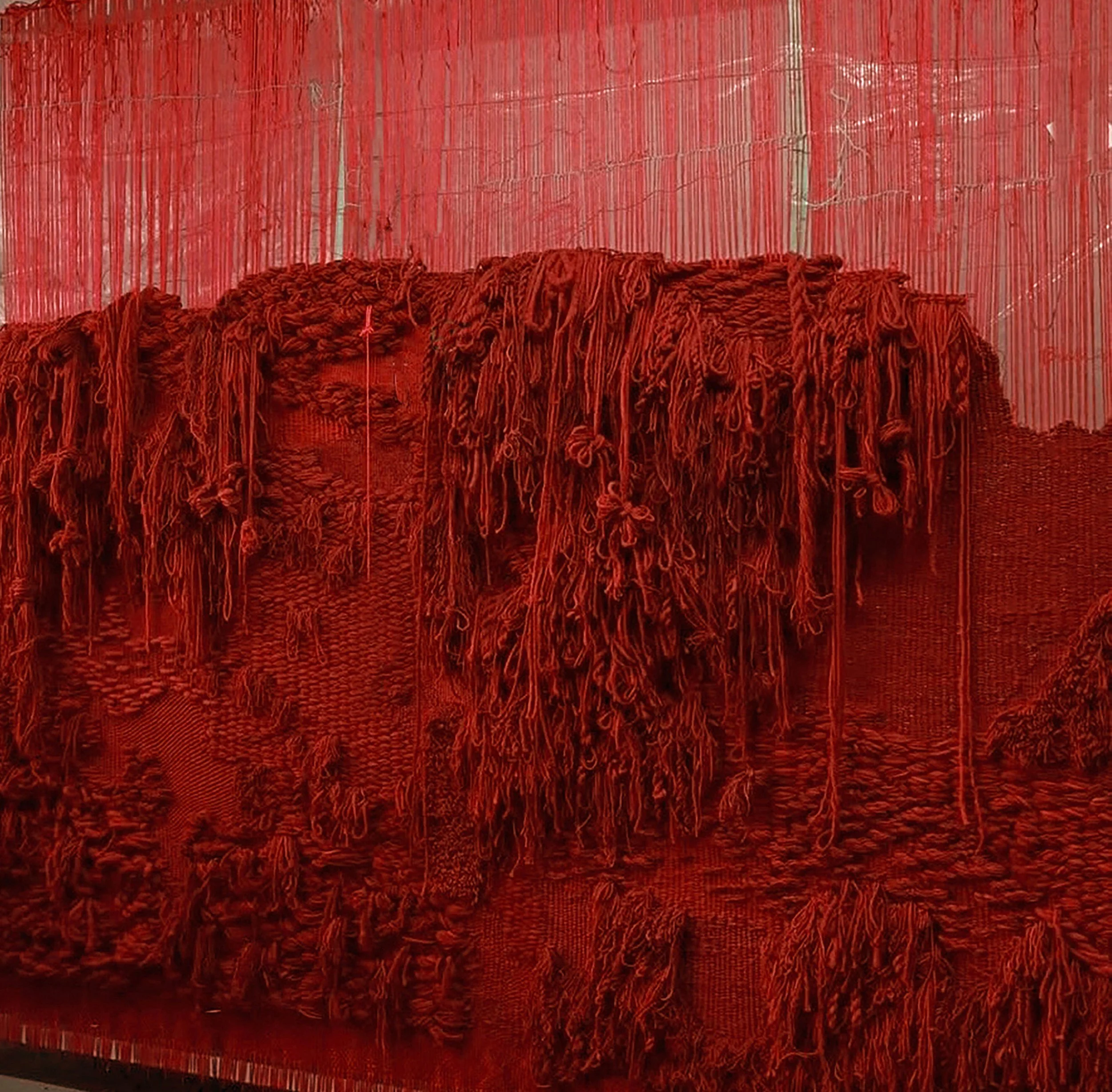
Architecture of Tailoring
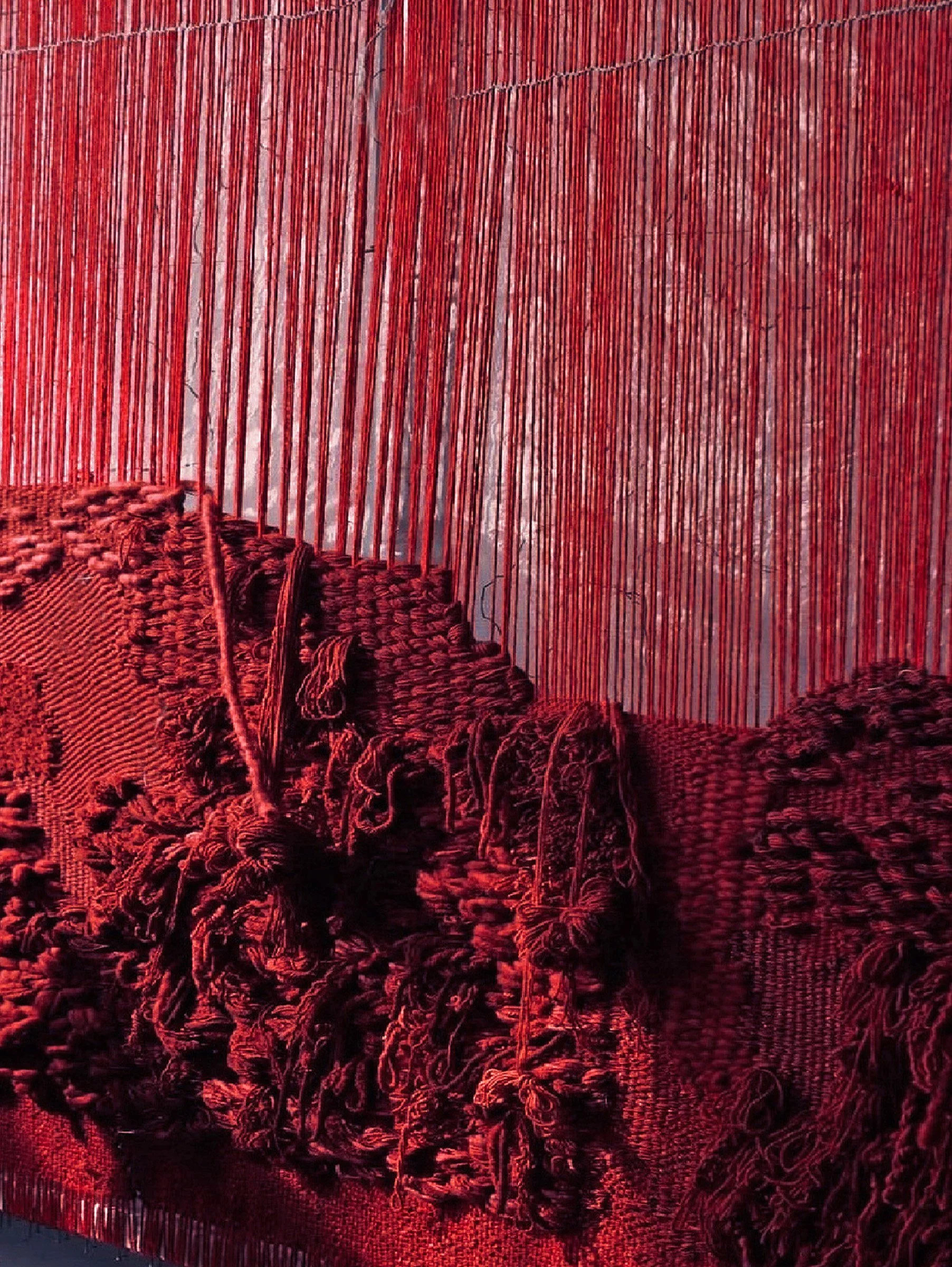
Architecture of Tailoring
Architecture of Tailoring is an installation-based project translating weaving and bespoke tailoring construction into spatial form through suspended fibre, deconstructed garment structures, and material tension.
Using wool fiber, warp and weft systems, tailoring techniques, and large-scale textile environments, the project explores construction as architecture, positioning craft and material intelligence within contemporary installation practice.
Working primarily with natural wool fibres sourced through local farms and textile mills, the project foregrounds material sustainability through slow construction, craft knowledge, and long-term textile practice.
The project explores natural material systems rooted in craftsmanship, longevity, and embodied making. In an increasingly AI-driven and automated culture, the work foregrounds the value of tactile construction, material knowledge, and the transmission of specialist hand skills through weaving and bespoke tailoring practices.
The project includes exhibitions, talks, workshops, and educational programming starting with London, New York, and Los Angeles.
Partners
Bomb Factory Arts Foundation, London
IDEAL Glass Studios, New York
Holland & Sherry, Savile Row, London
Eco-Luxe, Savile Row, up-cycled wool
Women in Tailoring, Savile Row
Huddersfield Fine Worsteds
Woven in the Bone, Scotland, Sam Goates
Dash & Miller, Bristol, Juliet Bailey
Bristol Weaving Mill, Bristol, Katherine Fraser/Rowenna Mason
Lark & Bower, London, Sarah Ward
Teeswater Wools from Higher Gills Farm, Pendle Hill, Lancashire
Mama farm, New York, Isabella Rossellini, Fleece and fiber
Turtle Valley Farm, Michigan, Fleece and fiber
Richard C Waters, Sound design, Art Direction, and photographer/videographer.
Public Programming
The project combines immersive installation with public programming, creating opportunities for audiences to engage through artist talks, demonstrations, workshops, educational events and collaborative making. Initial programming is centred on London, New York and Los Angeles, with future locations announced as partnerships develop.
Architecture of Tailoring is committed to widening public access through free exhibitions, artist talks, demonstrations and workshops wherever possible.
Each event is designed to encourage direct engagement with materials, making processes and specialist craft knowledge through conversation, demonstration and hands-on participation.
Programming may include:
Artist talks and exhibition walkthroughs
Weaving demonstrations
Bespoke tailoring demonstrations
Hands-on weaving and making workshops
Panel discussions and roundtables
Opening receptions and private viewings
School, university and educational visits
Public conversations exploring British wool, material culture and contemporary textile practice
Programmes will vary by venue and are developed in collaboration with local partners, craftspeople, museums and educational organisations.
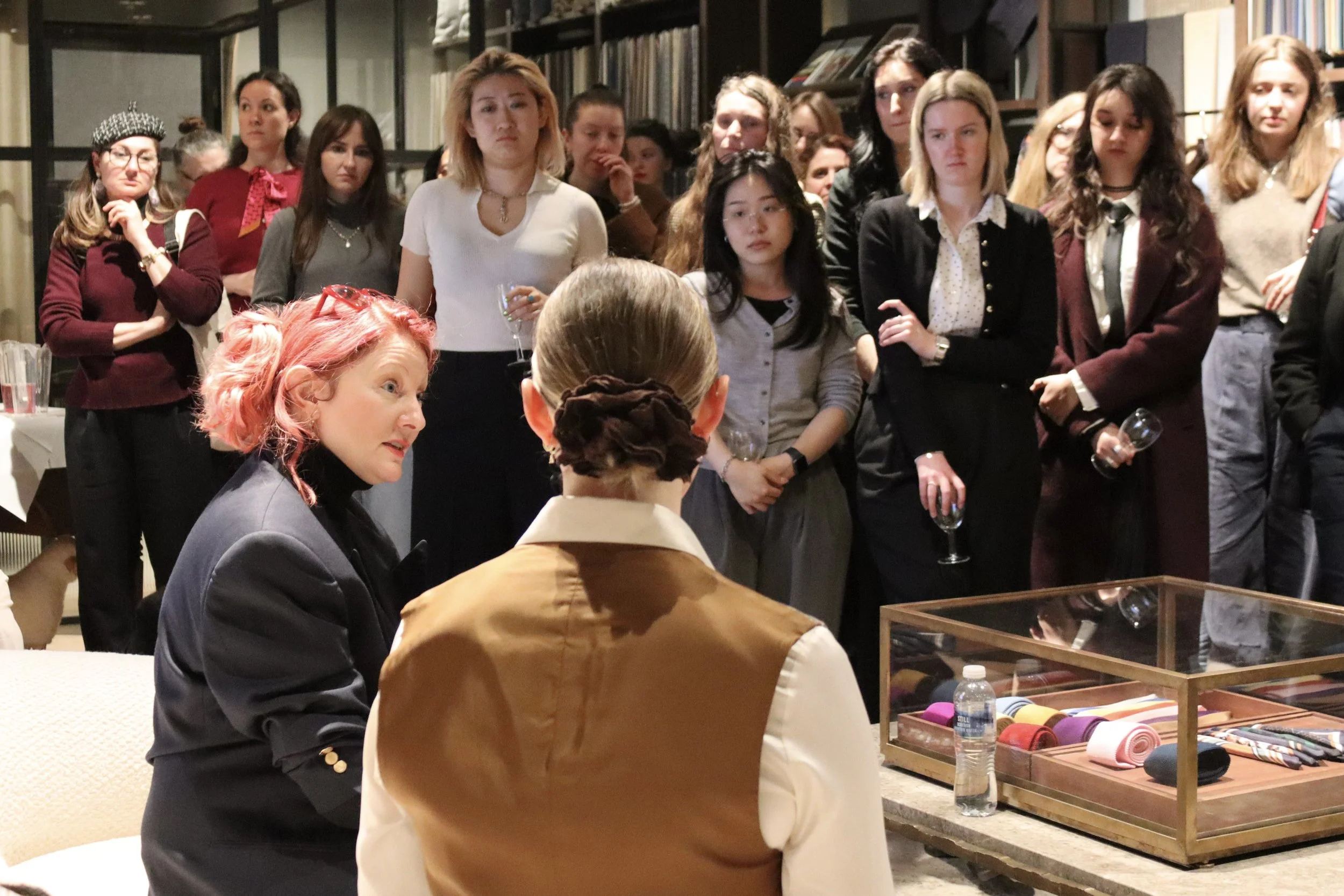
Artist talk at the Women in Tailoring event, Holland & Sherry, Savile Row, London, with Antonia Sebag-Montefiore.
Photograph Credit: Hari Gohel
Jo Baker Waters
Jo Baker Waters is a British-American artist, tailor, and educator whose work explores weaving, bespoke tailoring, and textile construction as spatial and architectural practice.
Originally trained on Savile Row, London through an apprenticeship at Gieves & Hawkes, Jo Baker Waters later became Head of Menswear Design at Calvin Klein in New York.
Drawing upon backgrounds in bespoke tailoring, fashion design, weaving, and textile construction, her practice bridges specialist craft traditions and contemporary installation art through processes of weaving, tailoring, and spatial textile construction. Her work creates immersive installation environments using suspended woven structures, natural wool fibre, and deconstructed garment forms.
Working primarily with natural wool fibres sourced through local farms and textile partners, Baker Waters approaches textile construction as both sculptural medium and architectural system, foregrounding material intelligence, embodied making, and the transmission of specialist hand skills within an increasingly AI-driven culture.
Baker Waters is Professor of Practice at Arizona State University FIDM and at the Academy of Art University in San Francisco, California. She is also the author of Pattern Cutting Techniques for Ladies’ Jackets (Cromwood Press, 2017).

Practice Questions
-
Architecture of Tailoring is an ongoing interdisciplinary art practice by Jo Baker Waters that merges weaving, bespoke tailoring, textile construction, film, and installation art. The project explores how cloth, yarn, and pattern construction can move beyond the body to become spatial, sculptural, and architectural environments.
Rooted in Savile Row tailoring and hand weaving traditions, the practice investigates structure, labour, material memory, and the anatomy of making through suspended textiles, exposed construction processes, woven surfaces, drafting systems, and deconstructed garments.
Textile techniques such as warp tension, pattern cutting, hand stitching, and weaving are translated into immersive installations that hover between garment, landscape, architectural ruin, and ceremonial space. The work reveals the hidden construction systems behind cloth and challenges distinctions between craft, fashion, sculpture, and contemporary art.
Through wool, natural fibres, and slow hand processes, Architecture of Tailoring also reflects on sustainability, longevity, repair, and the value of embodied human skill within an increasingly digital and automated world.
-
The title reflects how the principles of bespoke tailoring are translated into architectural space. Rather than creating garments to be worn, the project expands the language of tailoring into large-scale woven installations and spatial environments.
Through weaving, British wool and architectural space, the work explores structure, material memory and the traces left by makers. Pattern, deconstruction, tension and cloth become architectural elements that invite visitors to move through, experience and reflect upon.
Architecture of Tailoring is both an exhibition project and an evolving artistic practice that brings together textile heritage, contemporary installation and public engagement.
-
Through weaving, tailoring, suspended fibre systems and immersive installation, the practice investigates how textile materials can act as vessels for time, memory and transformation. These themes are explored through construction and unraveling, spatial tension, material atmosphere and the visibility of making.
The installations exist between the suit, landscape and architecture. Layered wool structures and suspended yarn fields evoke architectural remnants and psychologically charged environments that oscillate between precision and ruin.
Drawing on the visual language of bespoke tailoring, film noir, abstraction and architectural space, the work explores structure and instability. Through density, suspension and fragmentation, fibre is approached as a painterly medium that becomes both surface and monumental space.
Ceremonial intensity emerges through scale, accumulation and rhythm, allowing the work to move between softness and severity, comfort and unease. The work invites audiences to experience textile not simply as cloth, but as architecture, atmosphere and embodied memory.
Key themes include:
Material memory and embodied knowledge
Textile architecture and spatial construction
Abstraction and material atmosphere
Precision and spontaneity
Landscape and environmental systems
Material intelligence and the visibility of making
Construction, deconstruction and transformation
Presence, absence and psychological space
Ritual, vulnerability and ceremonial intensity
-
Weaving and tailoring are connected through a shared language of structure, tension, construction, and form. In the practice, tailoring is approached as a form of architecture built around the body, while weaving becomes a method of drawing, constructing, and suspending space through yarn and fibre.
Pattern cutting, drafting lines, woven grids, seams, warp tension, and hand construction are translated into large-scale textile installations that move between garment, sculpture, and spatial environment. The work explores how cloth can shift from functional object into architectural form, revealing the hidden processes of making through deconstruction, suspended threads, exposed construction lines, and handwoven surfaces.
Both disciplines rely on precision, rhythm, labour, and material intelligence, allowing the practice to position textile construction as both sculptural and architectural.
-
The work primarily uses wool, natural fibres, woven textiles, yarn, tailoring canvas, and reclaimed textile materials. Installations may also incorporate hand weaving, suspended fibre systems, sound, moving image, and architectural structures developed through bespoke tailoring and textile construction processes.
-
Wool is central to the practice for its structural, tactile, and spatial qualities. As a renewable natural fibre connected to land, agriculture, and textile history, wool carries cultural memory through texture, density, warmth, and durability.
The work often incorporates wool sourced through local farms and textile partners, foregrounding relationships between fibre origin, hand process, and contemporary spatial installation. The use of natural fibres reflects an interest in material longevity, biodegradability, and alternatives to synthetic textile production.
Wool is approached not only as a textile material, but as a sculptural and architectural medium capable of forming immersive environments through suspension, accumulation, and woven structure.
The installations frequently incorporates surplus materials, offcuts, and reworked textile elements into new woven studies and spatial constructions.
The practice also advocates for the preservation and visibility of specialist craft knowledge within contemporary culture, foregrounding embodied hand skill, material understanding, and processes of making within an increasingly digital and automated world.
-
Yes. Hand weaving forms a central part of the practice. Many works are constructed through hand-operated weaving processes that allow for direct engagement with tension, rhythm, texture, and structural variation within the cloth.
The work often incorporates visible warp and weft systems, loose yarns, unfinished edges, and exposed construction processes, allowing the viewer to experience weaving not only as a finished textile surface, but as an active spatial and sculptural process.
-
The installations approach textile construction as a form of architecture. Weaving, tailoring, and pattern cutting are used to build spatial environments through line, tension, structure, and suspended material systems.
Cloth is treated not simply as surface or decoration, but as a structural and spatial medium capable of shaping movement, atmosphere, scale, and bodily experience. Drafting lines, woven grids, suspended threads, and deconstructed garment forms often function like architectural drawings translated into physical space.
-
Landscape and environmental systems influence the work through material sourcing, colour, erosion, texture, and spatial atmosphere. Suspended yarn fields, layered wool structures, and woven surfaces often evoke geological formations, shifting terrain, weather systems, and architectural remnants suspended between landscape and architecture.
By working with natural fibres sourced through local farms and textile networks, the practice reflects on relationships between material origin, land, labour, and the environmental histories embedded within cloth and fibre production.
The installations frequently transform woven structure into immersive spatial environments that move between textile, landscape, architecture, and ceremonial space, allowing the viewer to physically navigate systems of tension, accumulation, fragmentation, and repair.
-
Many of the installations are developed in response to the architecture, scale, and atmosphere of a specific site. Spatial conditions such as ceiling height, circulation, light, structural tension points, and viewer movement influence how textile elements are suspended, constructed, and experienced.
The work adapts to each environment while maintaining a dialogue between textile process, bodily scale, and architectural form.
-
Yes. Workshops, talks, demonstrations, and educational programming form an important part of the Architecture of Tailoring project. Public engagement activities often focus on weaving, tailoring, hand construction, material processes, and the transmission of specialist craft knowledge through embodied and hands-on learning experiences.
The practice works across educational institutions, exhibition environments, and interdisciplinary programmes, encouraging greater visibility and accessibility around textile construction, making processes, and contemporary craft practice within an increasingly digital culture.
-
For exhibition enquiries, collaborations, institutional partnerships, talks, educational programming, commissions, or press requests, please use the contact form on the Contact page or email directly through the studio contact provided.
The practice welcomes conversations with galleries, museums, curators, educational institutions, textile partners, and interdisciplinary collaborators interested in contemporary textile installation, craft, architecture, and material-led research.
Partnerships & Collaborations
Architecture of Tailoring welcomes collaborations with institutions, textile mills, wool producing farms, educational organizations, cultural partners, and sponsors interested in supporting contemporary textile and installation practice.